G9 Applied Mechanics
Graduates of the "Applied Mechanics" specialty are the most sought-after specialists in machine-building enterprises; they work in positions of research engineer, designer, technologist, foreman, shop superintendent, up to the director of an enterprise.
Graduates of the specialty "Applied Mechanics" are the most in-demand professionals at machine-building manufacturing enterprises; they work in positions of research engineer, designer, technologist, master craftsman, shop manager, up to the director of the enterprise.
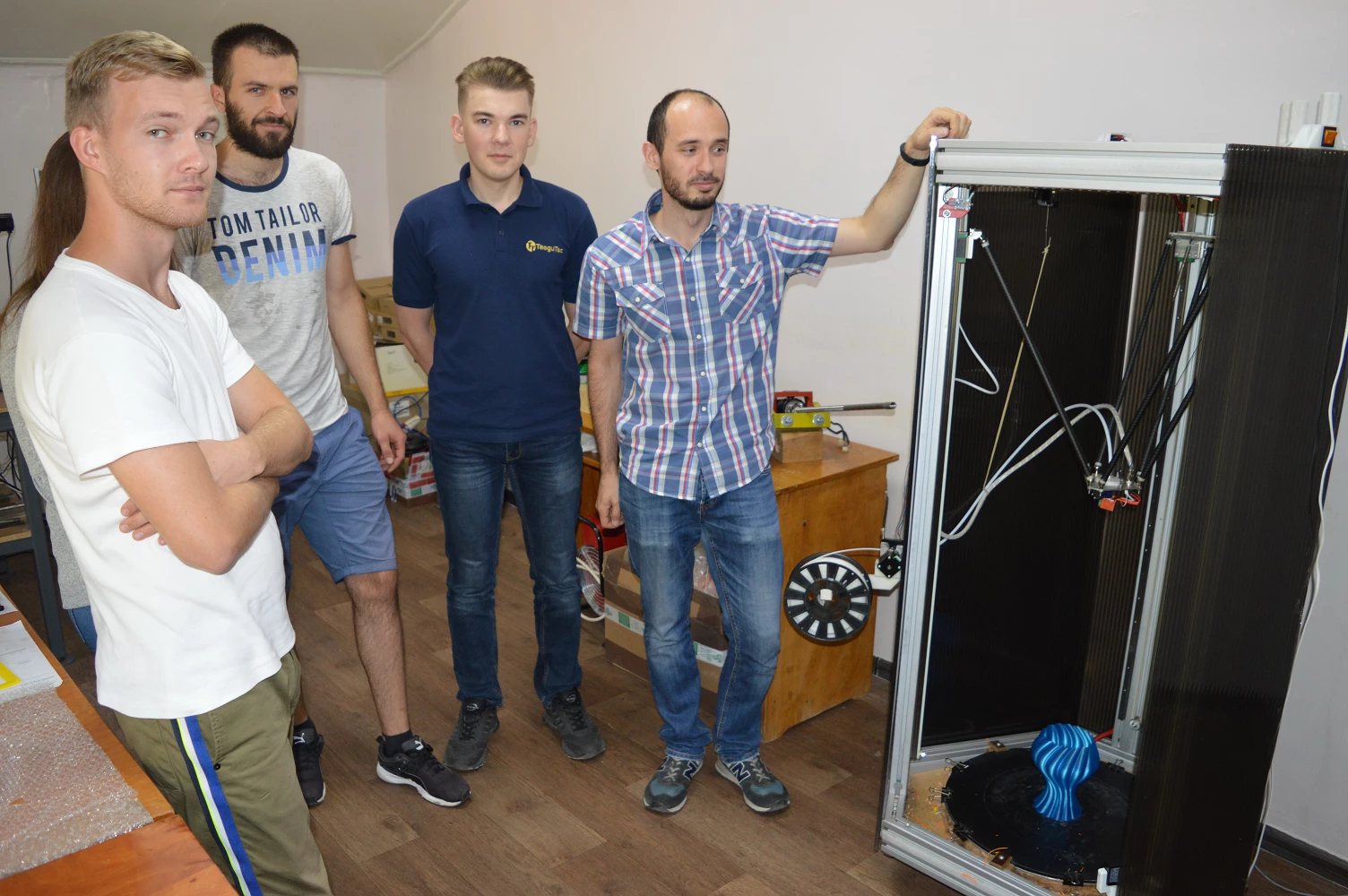
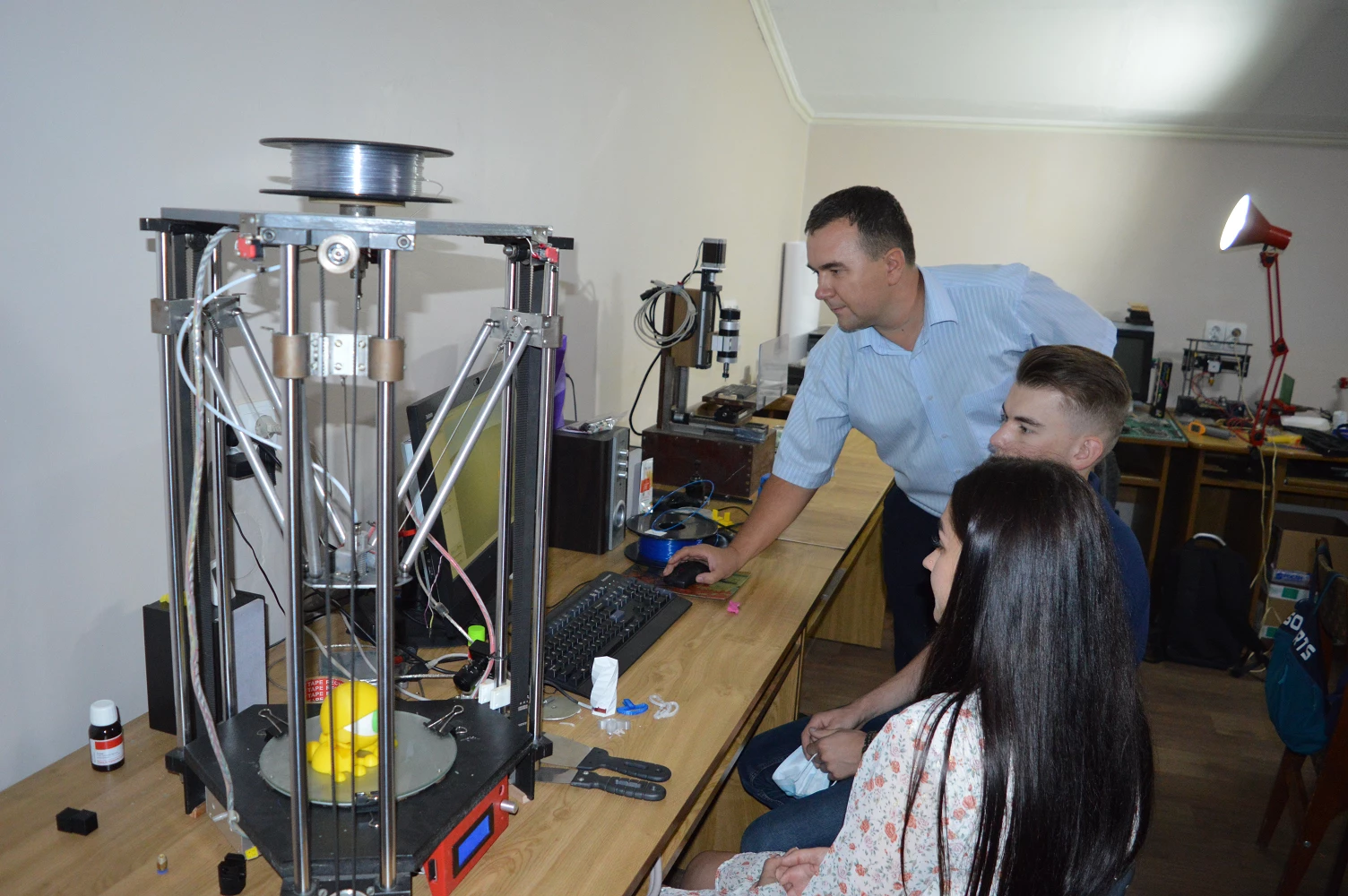
The specialty involves mastering a wide range of modern manufacturing technologies, including metal cutting, foundry production, metal forming, and special technologies, as well as the latest additive technologies. The main knowledge, abilities, and skills that a student will acquire include: the ability to create designs of machines, mechanisms, and their elements based on methods of applied mechanics, general design principles, the theory of interchangeability, and standard methods for calculating machine parts; the practical use of computerized systems for design (CAD), manufacturing preparation (CAM), and engineering analysis (CAE); and the ability to make an optimal choice of part processing technology between traditional and special and/or additive methods. In addition to basic training, there is an opportunity to study interesting specialized disciplines, such as: 3D modeling and CAD; CAD/CAM/CAE systems; robotics, mechatronics; 3D printing equipment and technologies; equipment for physical and technical processing methods (laser, plasma, etc.); and computer-aided design of foundry equipment and technologies.
Specialty involves mastering a wide range of modern production technologies, in particular metal processing by cutting, foundry production, metal forming, and special technologies, as well as the latest additive technologies. The main knowledge, skills, and abilities that the student will master will be: the ability to create designs of machines, mechanisms and their elements based on the methods of applied mechanics, general principles of design, theory of interchangeability, standard methods for calculating machine parts; practically use computer-aided design (CAD), manufacturing preparation (CAM) and engineering research (CAE) systems; make an optimal choice of processing technology for parts between traditional and special and/or additive methods. In addition to basic training, there is the possibility to study interesting profile disciplines, such as: 3D modeling and CAD; CAD/CAM/CAE systems; robotics, mechatronics; equipment and technologies of 3D printing; equipment for physico-technical methods of processing (laser, plasma, etc.); computer-aided design of equipment and technologies for foundry production.
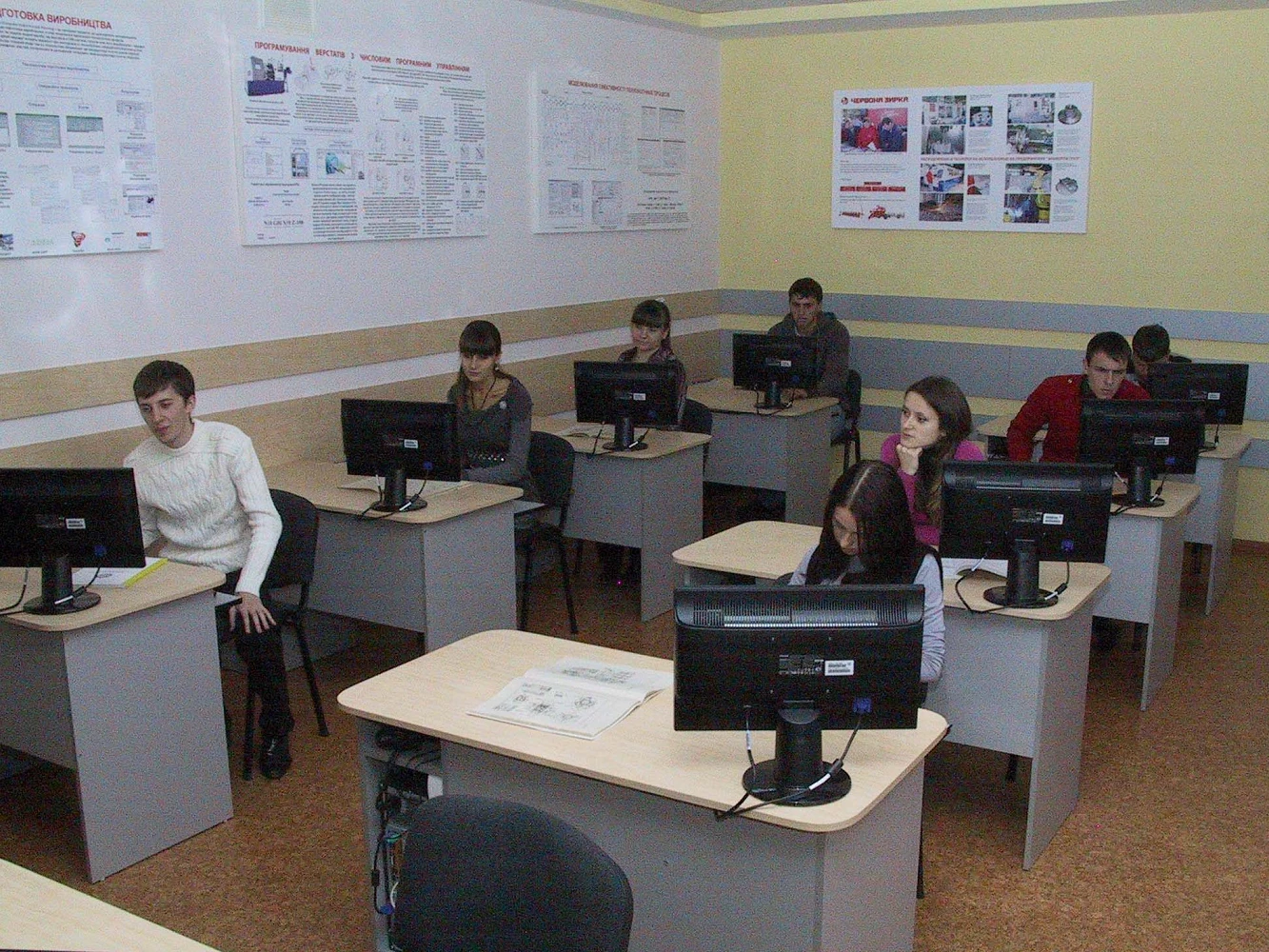
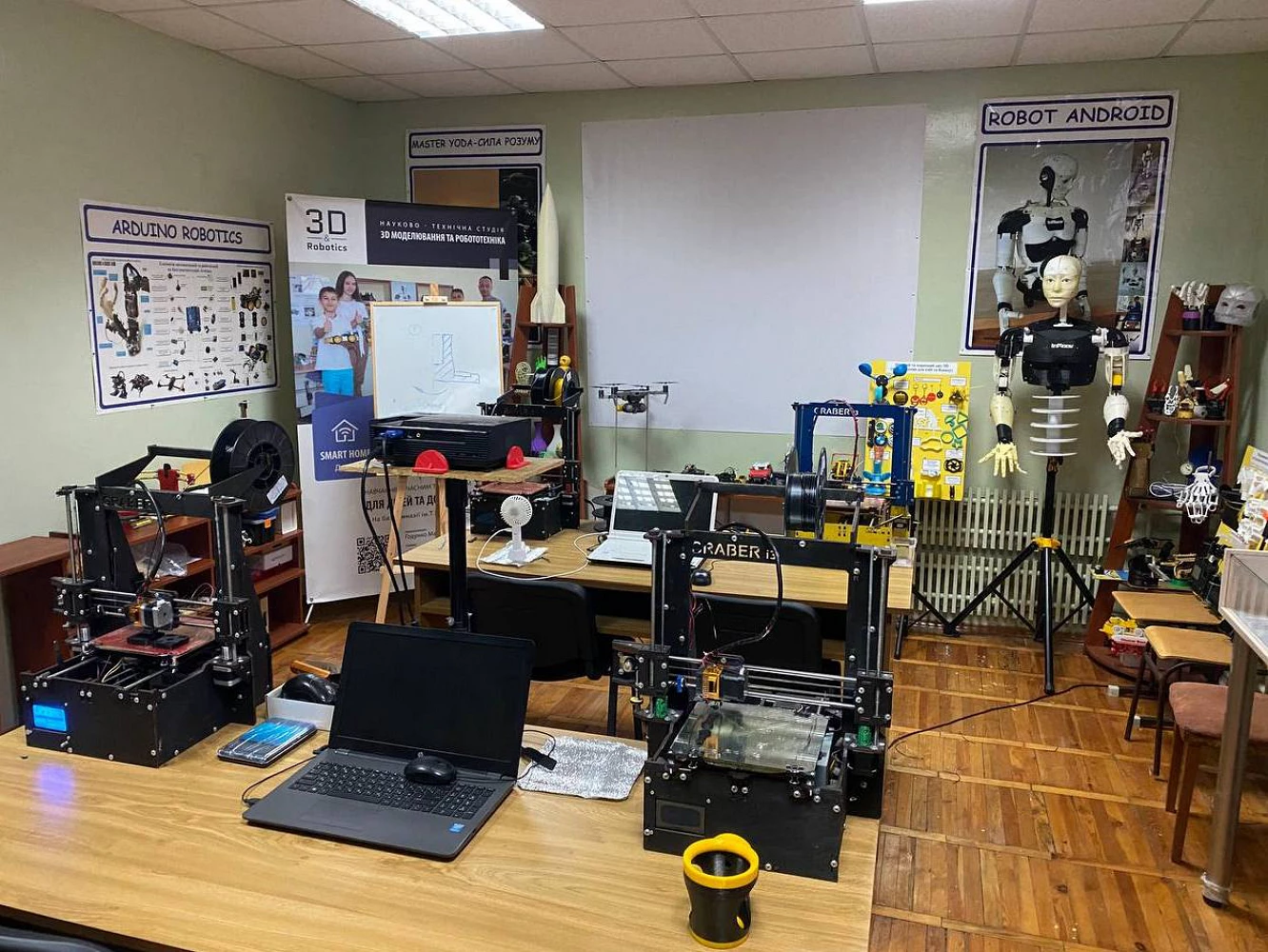
Classrooms are equipped with comfortable conditions for conducting lectures and seminars, taking into account climatic and temperature features. Laboratories for practical classes have updated, relevant equipment, namely: modern computers, multimedia boards, projectors, 3D printers, digital microscopes, electronic kits for studying robotics and CNC machines, a laser engraving machine, a vacuum melting casting unit for investment casting, a scanning electron microscope with a low-vacuum chamber and an energy-dispersive microanalysis system, and industrial equipment for metal cutting, pressure processing, and foundry production.
Auditoriums are equipped with comfortable conditions for conducting lectures and seminars, taking into account climatic and temperature features. Laboratories for practical classes have updated up-to-date equipment, namely: modern computers, multimedia boards, projectors, 3D printers, digital microscopes, electronic kits for studying robotics and CNC machines, laser engraving machine, foundry vacuum-melting installation for casting using lost-wax models, scanning electron microscope with a low-vacuum chamber and energy-dispersive microanalysis system, industrial equipment for metal processing by cutting, pressing and foundry production.
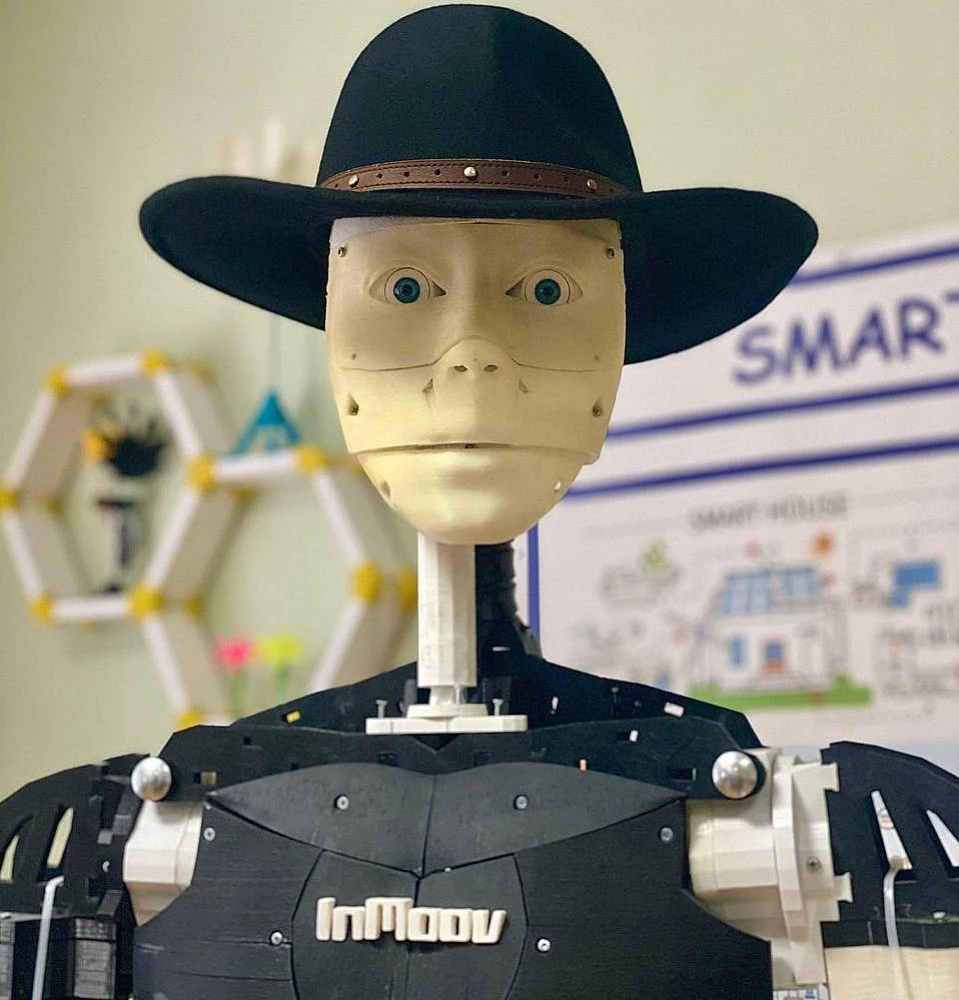
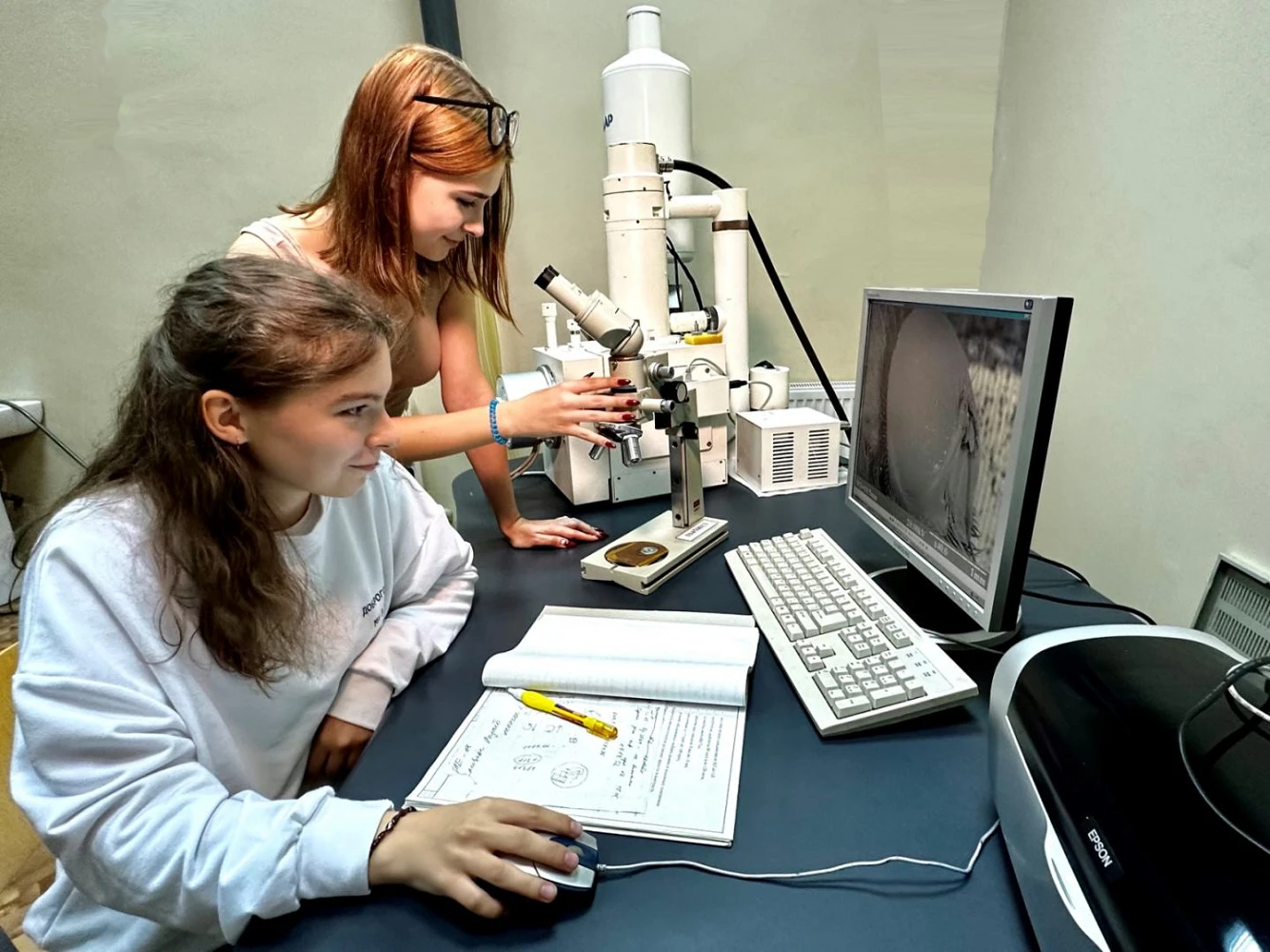
Future master's students of the "Applied Mechanics" specialty undergo internships and practical training in university scientific laboratories, where special equipment is used, as well as at leading manufacturing enterprises in our city.
Master's students in the G9 "Applied Mechanics" specialty are trained by the "Mechanical Engineering, Mechatronics and Robotics" and "Materials Science and Foundry Production" departments.
Our contacts:
"Mechanical Engineering, Mechatronics and Robotics" Department,
room 112, 115
https://mmr.kntu.kr.ua,
https://www.facebook.com/kafedrammr,
https://www.instagram.com/kafedrammr?igsh=Z3Y2eHR4OGgxcHF4,
(096) 158-12-97
Fill out the form;
"Materials Science and Foundry Production" Department,
room 163,
https://mlv.kntu.kr.ua,
https://www.facebook.com/profile.php?id=100089903305733,
(066)-336-47-97,
Fill out the form.
Future master's students in the field of "Applied Mechanics" undergo practical training and internships in university scientific laboratories, where special equipment is used, as well as at leading production enterprises in our city.
Masters in the specialty G9 "Applied Mechanics" are trained by the departments "Mechanical Engineering, Mechatronics and Robotics" and "Materials Science and Foundry Production".
Our contacts:
Department of "Mechanical Engineering, Mechatronics and Robotics",
Room 112, 115
https://mmr.kntu.kr.ua,
https://www.facebook.com/kafedrammr,
https://www.instagram.com/kafedrammr?igsh=Z3Y2eHR4OGgxcHF4,
(096) 158-12-97
Fill out the form;
Department of "Materials Science and Foundry Production",
Room 163,
https://mlv.kntu.kr.ua,
https://www.facebook.com/profile.php?id=100089903305733,
(066)-336-47-97,
Fill out the form.